
Ayurvedic Path to Clearer Central Vision: A Non-Injection Approach to Macular Edema
If you’re a working professional spending long hours in front of screens and struggling with blurred central vision, you’re not alone. For many, the diagnosis of macular edema brings anxiety — not just about vision, but about the treatment itself. The thought of repeated injections directly into the eye can feel overwhelming. At Matha Ayurveda Eye Hospital, a different path exists. One rooted in inpatient-only Ayurvedic care, built over three generations, and focused on restoring balance — not just draining fluid. In this blog, we explore how Ayurveda offers a scientific, structured, and compassionate approach to managing macular edema — one that doesn’t rely on injections, but on internal healing, disciplined protocols, and patient-centered care.
Why Blurred Central Vision Feels So Urgent for Working Professionals
When Every Screen Becomes a Struggle
For professionals who rely on screens for work, even a small disturbance in central vision can feel like a major handicap. Words blur, lines distort, and every email or spreadsheet demands double the effort. Macular edema doesn’t just affect eyesight — it affects confidence, productivity, and peace of mind. Some even begin to dread opening their laptop, fearing what they won’t be able to see clearly today. Over time, this can lead to decreased work performance and anxiety.
The Emotional Toll of a Difficult Diagnosis
The word “injection” can trigger deep anxiety, especially when it involves the eyes. Patients are often told these injections offer only temporary relief and may need to be repeated indefinitely. The uncertainty of “what comes next” creates emotional fatigue, not just physical discomfort. For those already juggling career pressures, family responsibilities, and health concerns, this diagnosis feels like one more overwhelming burden.
Why People Start Looking Beyond Injections
Repeated intraocular injections, although medically justified, often don’t match what patients intuitively want — a lasting solution. Many feel helpless when told that injections or laser therapy are the only options. The thought of ongoing invasive procedures — with no end in sight — naturally leads patients to explore safer, longer-term alternatives. This is where Ayurveda begins to enter the conversation, not as a desperate last resort, but as a conscious, informed exploration.
How Macular Edema Interrupts a Person’s Identity
Vision is more than function — it’s identity. Professionals who’ve spent their lives building careers often associate clarity of thought with clarity of sight. When the center of the visual field starts to blur, it’s not just a technical issue. It feels like losing control over one’s independence, rhythm, and sense of self. That’s why even a mild case of macular edema can trigger deep emotional discomfort and motivate the search for meaningful, non-invasive healing.
Learn more about Matha’s non-injection approach to macular edema
Did You Know?
Macular edema is often worsened by systemic issues like diabetes and stress. Treating the eye alone is not enough — Ayurveda treats the person.
What Ayurveda Says About Macular Edema
A Condition Rooted in Circulation and Imbalance
In Ayurveda, macular edema is understood not merely as a swelling to be reduced, but as a deeper dysfunction in how fluid and blood circulate in the body, especially in the eyes. This condition is referred to as Drishtipatala Sopham, a state where disturbances in Alochaka Pitta (visual function) and Tarpaka Kapha (nourishing fluid) impair the retina’s clarity and function. The key lies in identifying not only the site of fluid accumulation, but the why behind it, such as faulty elimination, microcirculatory stagnation, or doshic imbalance arising from diet or stress.
Dosha Involvement: Pitta and Kapha at the Core
Patients with a natural predominance of Kapha and Pitta — or those who have dietary and lifestyle triggers that disturb these doshas — are considered more prone to macular edema. High-stress occupations, irregular sleep, screen exposure, and consumption of oily, spicy, or overly processed food all contribute to the vitiation of these doshas. In some patients, emotional stress (a pitta trigger) and sluggish metabolism (a kapha pattern) act together to create the pathology.
The Goal Is Not to Drain — But to Prevent Accumulation
Unlike modern approaches that focus on mechanically removing fluid, Ayurveda aims to prevent such buildup in the first place. The central philosophy is to restore balance, normalize flow, and ensure that the body’s systems — particularly those that nourish and cleanse the retina — are functioning without obstruction. By correcting liver function, gut flow, sleep rhythms, and ocular circulation, Ayurvedic intervention aims to stop the problem at the source.
Why Personalized Assessment Is Non-Negotiable in Ayurveda
In modern medicine, two patients with the same diagnosis often receive the same procedure. In Ayurveda, no two patients with macular edema receive identical treatment. A person’s prakriti (constitutional nature), vikriti (current imbalance), lifestyle, comorbidities, age, and even emotional state are all considered. For example, a diabetic patient with kapha-predominance and fluid retention needs a very different medicine protocol than a lean pitta-dominant patient with inflammatory eye tendencies. This is where Matha’s depth of analysis stands apart — the diagnosis is not in the report alone, but in the patient’s total condition.
Inside the Inpatient Ayurvedic Protocol for Macular Edema at Matha
Step 1: Comprehensive Diagnostic Review Before Admission
The process begins with a detailed consultation — either online or in person. Patients are asked to share recent OCT scans, fundus photographs, and details of systemic conditions like diabetes or hypertension. The goal is to assess not just the eye but the entire individual. The reports are reviewed by the senior-most physicians of the medical panel, who decide whether inpatient care is appropriate and what prognosis can be expected. In borderline cases, additional investigations may be requested before final approval for admission.
Step 2: Internal Medicines to Normalize Circulation
Once admitted, the first line of treatment begins with carefully chosen internal medicines. These are not generic formulas — nearly all are handmade in Matha’s vaidyasala (Ayurvedic pharmacy), based on traditional recipes. The medicines focus on anulomana — regulating the flow of fluids — and restoring the natural balance in the retina. Ingredients are selected for their effect on microcirculation, liver function, and dosha pacification. Dosages are personalized, monitored daily, and adjusted based on digestion, sleep, and eye response.
Step 3: External Therapies Customized to Stage and Strength
As the internal condition stabilizes, external treatments begin. These are not eye drops or off-the-shelf massages. Treatments like Shirodhara (streaming medicated oil on the forehead), Shirolepam (herbal paste application), and Netra Tarpanam (medicated ghee held over the eye) are chosen based on the patient’s exact stage and strength. Each session is supervised by the medical panel, with timing and duration recorded precisely. The head region is often prioritized, recognizing the close relationship between the cranial nerves and ocular function.
Step 4: Dietary and Lifestyle Correction as Therapy
Food at Matha is considered part of the treatment. Sour, spicy, and processed foods are strictly avoided. The kitchen works under the direction of physicians to support the healing process. Patients are also given specific instructions for sleep, screen use, body movements, and eye rest — all of which directly affect recovery outcomes. Simple meals made from freshly sourced ingredients are tailored for each patient’s digestion, dosha, and disease profile. The timing of food is regulated just as strictly as medicine.
Step 5: Monitoring, Reassessment, and Long-Term Planning
The medical panel meets regularly to review patient progress. Parameters like vision, systemic health, response to medicines, and mental clarity are tracked. Discharge is planned only when the condition reaches a stable stage and the patient is ready to follow the advised home routine. Long-term follow-up plans — including preventive care — are prepared and explained thoroughly. Patients receive a clear next-review timeline and are encouraged to submit follow-up OCTs and symptoms periodically for remote monitoring.
The Role of the Bystander and Environment in Healing
The medical panel meets regularly to review patient progress. Parameters like vision, systemic health, response to medicines, and mental clarity are tracked. Discharge is planned only when the condition reaches a stable stage and the patient is ready to follow the advised home routine. Long-term follow-up plans — including preventive care — are prepared and explained thoroughly. Patients receive a clear next-review timeline and are encouraged to submit follow-up OCTs and symptoms periodically for remote monitoring.
Explore the inpatient-only treatment protocol at Matha Ayurveda Eye Hospital
Ayurveda is Not Eye Drops Alone
In serious cases like macular edema, a simple Ayurvedic eye drop will not help. Treatment must begin with internal purification and structured therapy.
Beyond Symptom Control: The Ayurvedic Logic Behind Matha’s Protocol
Treating the Root, Not the Result
Where conventional treatments aim to suppress the symptom — i.e., the fluid — Ayurvedic medicine at Matha works to correct why the fluid is accumulating in the first place. This includes attention to blood vessel health, systemic circulation, liver function, and mental stress, which all influence the eye. When the roots are addressed, the outcome becomes sustainable. Patients often report that improvements go beyond vision — such as better sleep, clearer digestion, and emotional steadiness.
Inpatient Protocols as a Form of Compassion
The decision to make Matha an inpatient-only hospital is deliberate. This is not about exclusivity, but about focus. In Ayurveda, healing the eyes requires rest, discipline, and time. Staying on campus ensures the patient follows the correct schedule, receives timely medicines, and is removed from daily life stressors. It also allows the physicians to observe minute clinical changes that outpatient care can miss. Most importantly, it creates space for uninterrupted healing, where the body is not constantly reacting to external noise.
Simplicity Is the Strength
No Wi-Fi. No television. No distractions. The healing environment at Matha is intentionally minimalist. There are morning prayers, regulated meals, and early nights. It’s not a wellness retreat — it’s a medical hospital. For many, this simplicity becomes part of the healing itself. Patients reconnect with their bodies, their eyes, and their health in ways they hadn’t anticipated. The return to a natural circadian rhythm helps optimize ocular circulation and mental stability — both crucial to long-term results.
A Tradition of Trust, Not Trial-and-Error
This protocol isn’t experimental. It comes from three generations of treating serious eye conditions. The medical panel at Matha does not promise a cure. Instead, they promise to treat every case with sincerity, discipline, and depth. Hundreds of patients with macular edema — including those who arrived after failed injections or laser therapies — have received structured care here, often experiencing significant relief. The trust built over decades comes from honesty: by setting clear expectations, never offering shortcuts, and committing deeply to each patient’s journey.
Why Quick-Fix Ayurvedic Clinics Fail in Complex Eye Conditions
Many commercial Ayurvedic centers offer “packages” or “eye therapies” for every condition, without distinction. But macular edema is not a condition that responds to generic panchakarma or one-size-fits-all eye drops. Without a thorough diagnosis, understanding of doshic patterns, systemic support, and inpatient monitoring, superficial treatments can waste precious time — or worse, allow degeneration to progress. Matha stands apart precisely because it refuses to oversimplify or overpromise. It offers structure where others offer slogans.
From First Consultation to Follow-Up: A Patient’s Journey at Matha
Initial Assessment and Admission
Once accepted for inpatient treatment, patients are oriented by the hospital team. They are informed of the protocol, dietary guidelines, and internal rules of discipline. Reports are verified, a treatment chart is prepared, and a private room is allotted. Every patient is reviewed by the chief physician before any medicine or procedure begins.
During Treatment: Close Monitoring and Honest Feedback
Daily treatments are administered by trained therapists and monitored by the same doctors who design the protocol. Patients are never left to guess what’s happening. Vision parameters, systemic health markers, and feedback from the patient are recorded and discussed daily. Adjustments are made if necessary, always under the guidance of the head of the medical panel.
Duration and Depth of Care
Treatment is not time-boxed. Macular edema is a chronic and sensitive condition, and the duration of care depends on its stage and cause. Some patients stay for two weeks; others require longer. The focus is not speed — it is effectiveness. The treatment is not rushed. Every stage, from initial response to recovery, is carefully paced.
Discharge and Follow-Up
Upon discharge, patients are given a detailed report covering their treatment, internal medicines, dietary protocol, and next steps. Medicines are continued post-discharge, and follow-ups are mandatory. Patients are monitored for any signs of relapse or new symptoms. If required, admission can be repeated after a rest period.
What Not to Expect
Patients should not expect a spa experience, instant results, or casual medicine pickup. Matha is not a place to “try” Ayurveda — it is a place for those who are ready to commit. Success requires patient cooperation, full protocol adherence, and trust in the process. When that happens, results are often deeper than expected — not only in the eye, but in life.
Can Ayurveda Help You Avoid Future Injections? — A Look at Long-Term Outcomes
The Question Most Patients Ask
After hearing about Ayurvedic options, one of the first questions patients ask is: “Can this stop my need for further injections?” It’s a valid and important concern. While no treatment — Ayurvedic or otherwise — can guarantee complete avoidance forever, the Ayurvedic system offers a different path: one that aims to reduce the root causes of fluid accumulation and thus minimize the likelihood of needing invasive procedures again.
Reducing Recurrence by Stabilizing the Retinal Environment
At Matha, the goal is not to fight edema temporarily but to create a retinal environment where swelling does not reappear easily. This is achieved by improving microcirculation, reducing inflammation, strengthening the retina, and addressing systemic issues like blood sugar, liver congestion, and dietary triggers. When these layers are treated thoroughly, many patients find they don’t require injections again — even after years of repeated use.
Realistic Expectations vs. Marketing Myths
Some centers claim to “cure” macular edema in 7 or 14 days. Matha does not. The doctors here will tell you honestly if your condition requires long-term cycles or just one admission. Avoiding injections is a possibility, but it must come with strict compliance — not just during admission, but afterward. That includes diet, medicine intake, stress management, and avoiding high-risk behavior like excessive screen exposure. Ayurveda is powerful, but it is not magical — and Matha never markets it as such.
What Matha Has Observed in Long-Term Follow-Up
In follow-up consultations, many patients report years of stable vision after Ayurvedic treatment. These patients are often the ones who stayed the full course, followed post-discharge instructions, and returned for follow-up review. While occasional cases still need injections later on, the frequency is reduced, the eye is stronger, and the patient feels more empowered to manage their own health. It’s not just about avoiding the needle — it’s about regaining control.
Discover if Matha’s Ayurvedic protocol for macular edema is right for you
Not All Ayurvedic Hospitals Are the Same
Matha offers inpatient-only treatment, custom medicines prepared in-house, and close monitoring by a senior medical panel — not generalized protocols.
What They Say About Us
How to get ayurvedic treatment for Glaucoma from Matha
1
Contact us
Share your health concern.
2
Medical Advice
We review your records, hold consultations, and provide medical advice.
3
Admission
Admission formalities are
completed to begin treatment.
If you or someone you know is dealing with glaucoma, don’t wait to seek treatment. Schedule a consultation with Matha Ayurveda Eye Hospital today to explore your options. Our inpatient treatments are designed to help you manage glaucoma effectively and protect your vision.
Matha Consultation Request Form
For URGENT ADMISSION, kindly click on the link below and we will process your case on priority. If you encounter any difficulties with the form please contact us at +91 86064 82494 (available from 9 AM to 6 PM Indian time) for assistance.
Frequently Asked Questions
Is there a permanent solution for macular edema in Ayurveda?
Ayurveda doesn’t promise a one-time permanent cure. Instead, it focuses on long-term management through internal healing, circulation correction, and lifestyle regulation. At Matha, the goal is to stabilize the condition and prevent recurrence. Patients who complete full inpatient treatment and follow instructions often experience prolonged symptom-free periods — without needing repeated injections.
Can macular edema be treated without injections?
Yes, Matha Ayurveda Eye Hospital offers a medically grounded, non-invasive protocol to manage macular edema. Using internal medicines, customized therapies, and strict inpatient care, fluid buildup is controlled by restoring systemic balance. Many patients have successfully avoided injections after receiving this form of structured Ayurvedic treatment.
What is Drishtipatala Sopham?
Drishtipatala Sopham is the Ayurvedic term for macular edema. It refers to the swelling of the retinal layers due to imbalance in Alochaka Pitta and Tarpaka Kapha. Treatment aims to correct these doshic imbalances, improve microcirculation, and reduce the root cause of retinal fluid accumulation — not just its symptoms.
Why does Matha require inpatient treatment for macular edema?
Eye healing in Ayurveda requires precision, discipline, and real-time supervision. Inpatient care ensures timely administration of medicines, regulated food, monitored therapies, and doctor-led adjustments. Outpatient care lacks this structure. At Matha, inpatient protocols are a core strength — not an add-on — designed for complex cases.
What happens during Ayurvedic treatment for macular edema?
Patients receive internal medicines, targeted therapies like Netra Tarpanam and Shirolepam, dietary regulation, and lifestyle monitoring. All treatments are personalized and adjusted daily by a senior medical team. The process addresses the body’s tendency to accumulate fluid, restoring long-term retinal health, not masking the problem.
How long is the treatment for macular edema at Matha?
The duration depends on the disease stage and overall health. Some patients may need 2–3 weeks, others longer. There’s no fixed package. Matha’s doctors evaluate progress daily, and discharge decisions are based on stability — not fixed timelines or convenience.
Is Matha a wellness resort or retreat?
No. Matha is a full-fledged Ayurvedic hospital specializing in treating advanced eye conditions. There are no luxury amenities or tourism activities. Patients stay for medical reasons, follow a strict regimen, and receive evidence-based Ayurvedic care — with healing, not comfort, as the priority.
What modes of payment do you accept? What about forex services?
We accept cash, cards, and direct transfer to a bank account. We DO NOT accept cheques. Requests for exchange of foreign currency would be handled by reputed forex service companies at Trivandrum.
Ayurvedic Eye Treatment
Matha Ayurveda Eye Hospital, located in Trivandrum, Kerala, has been worlds trusted destination for advanced Ayurvedic eye care for over three generations.
Personalized Care Rooted in Our
Small Family Culture
At Matha, our care is provided across three specialized hospital units in Trivandrum, each thoughtfully designed to offer the attention and focus your treatment requires. With a commitment to our small family culture, built over generations of Ayurvedic expertise, we ensure that your healing journey is treated with the same dedication and respect we would give to our own family
Matha has three hospitals in Trivandrum. You can opt for any one of our hospitals, rooms will be provided based on availability.
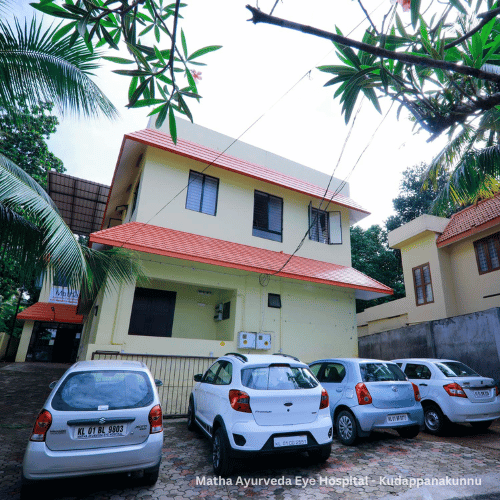
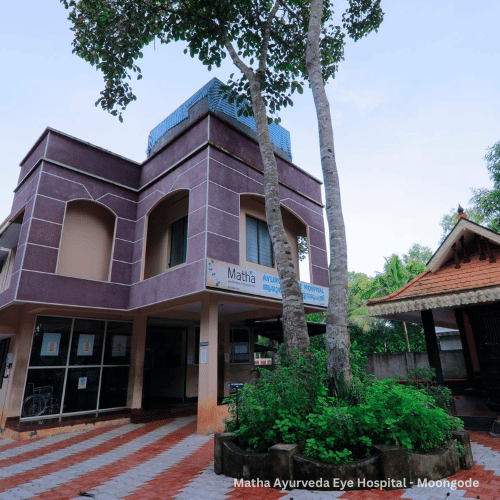
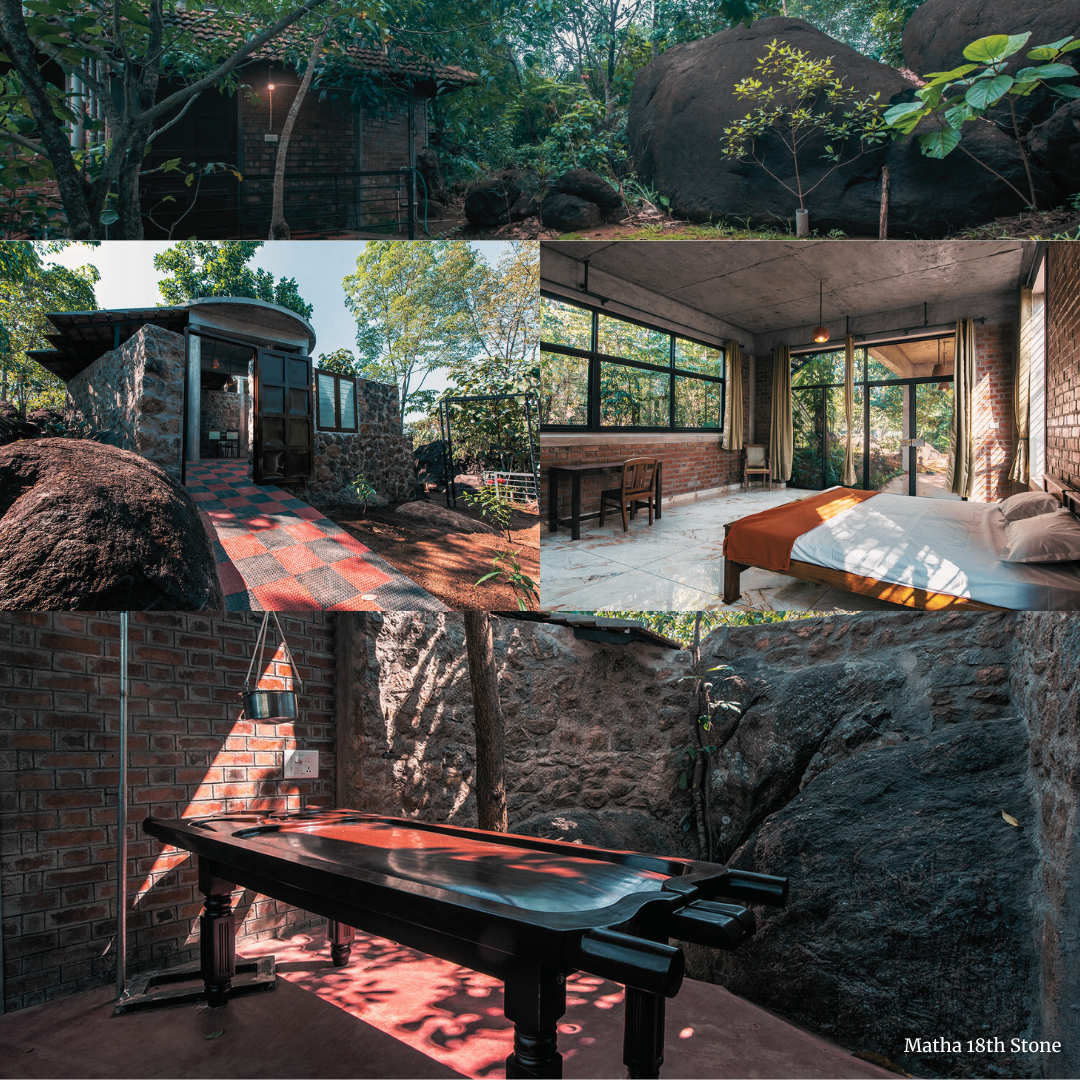
Our Hospitals
Matha Ayurveda Eye Hospital & Panchakarma Centre
Near Civil Station, Jayaprakash Ln, Kudappanakunnu, Thiruvananthapuram, Kerala 695043
Reception: 04712731352
Matha Ayurveda Eye Hospital & Panchakarma Centre
Eye Hospital Road (Moongode - Meppukada Road), Moongode P O Near, Thachottukavu, Kerala 695573
Reception: 9562997799
Contact
OP Timings
9.00 am - 5.00 pm
Appointment only
Important Links